

Visit Pasadena’s Parks for picnics, hikes, archery, fly fishing, tennis, and live music! Have you ever tried bird-watching at Hahamongna’s Watershed Park or an outdoor movie night at Central Park? Pasadena’s parks offer a perfect blend of nature, fun, and exploration, making them must-visit spots in Pasadena.
Outdoor activities in Pasadena’s Parks
Pasadena’s Central Park
Features: Located in Downtown Pasadena across from Castle Green, Central Park has open grass areas, playgrounds, picnic spots, and walking paths. During the summer months, watch ‘Movies under the Stars,’ an outdoor movie viewing series sponsored by the Old Pasadena.

Size: About 6 acres.
Neighborhood: Central Park is within walking distance of Downtown Pasadena (Old Pasadena) and across the street from Pasadena’s Gold Line Del Mar Station.
Historical Insights: Central Park in Pasadena opened in 1902 on the historic Raymond Ave and is one of Pasadena’s oldest parks. It is right across the street from the historic Castle Green. Central Park was Castle Green’s ‘backyard’ and was created when Pasadena was a popular vacation spot for wealthy Easterners.
Pasadena’s Central Park is across the street, close to the old Santa Fe Railroad Station (Gold Line), now a Metro A Line station. If you watch Apple TV’s show “Shrinking” with Harrison Ford, you might spot the park with Castle Green in the background.
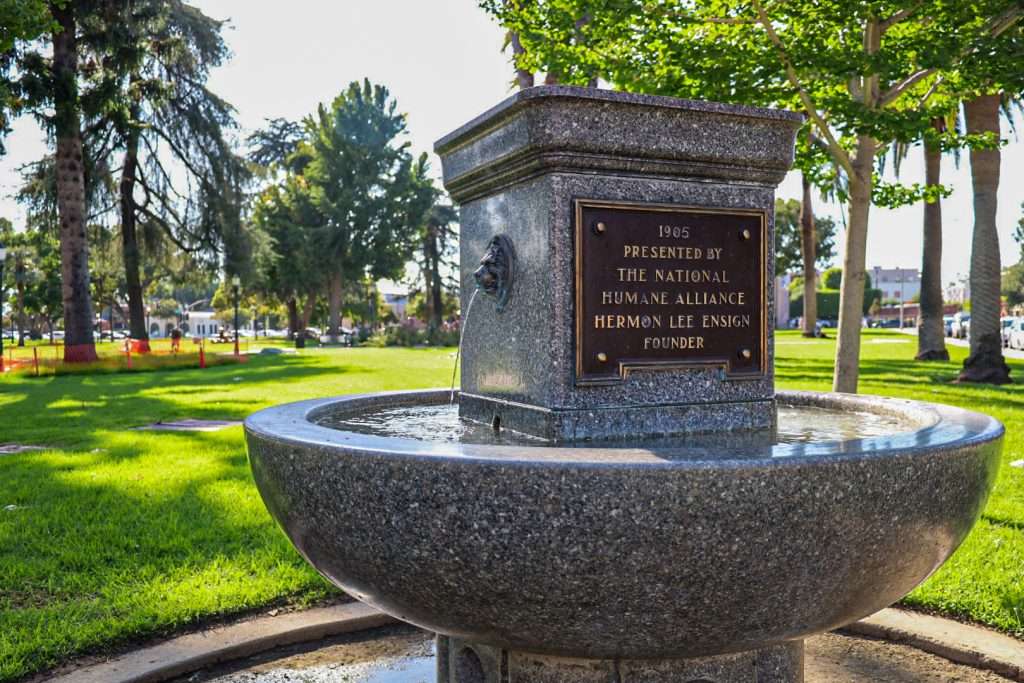
Central Park is the home of the Pasadena Lawn Bowling Club and the Croquet Club. Initially, Central Park was home to a horse trough repurposed to serve as a fountain. A picture of the Central Park fountain is featured below.
Pasadena’s Hahamongna Watershed Park
Highlights: Ideal for those seeking calm areas. Hahamogna’s Watershed Park has many trails and is less crowded than Eaton Canyon.
Location: Hahamogna’s Watershed Park is situated just north of the Rose Bowl, near NASA JPL. It spans over 1,300 acres at the base of the San Gabriel Mountains.
Ecology and Landscape: Hahamongna is characterized by a mix of habitats. It has everything from oak woodlands to freshwater wetlands. The diverse habitats support a range of wildlife
Devil’s Gate Dam: Named for a horned rock outcrop, this Pasadena dam within the park is a prominent landmark and holds historical and functional significance.
Activities: Pasadena’s Hahamongna Watershed Park offers multiple easy trails suitable for hikers, cyclists, and equestrians. Bird watching is particularly popular due to the varied habitats that attract numerous species.
Kids activities: Hahamongna Watershed Park offers a variety of activities for kids. These activities include an athletic field (soccer, baseball, football), a 24-hole Frisbee golf course, and several bridle and bicycle trails.
Dog Friendly: Pasadena’s Hahamongna Watershed Park is dog-friendly. Ensure your dog is on a leash and is current on all vaccines. Be aware that coyotes, bobcats, rattlesnakes, bears, deer, raccoons, squirrels, owls, bats, and other wildlife may live in the park and surrounding mountains.
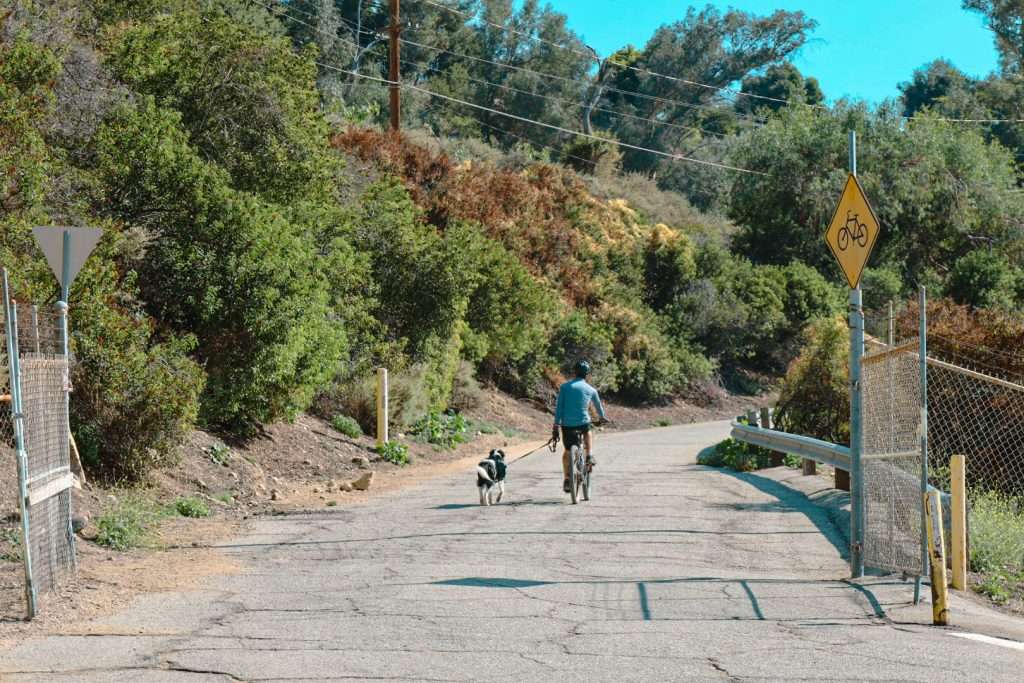
Cycling Paths: For cyclists, Hahamongna Watershed Park is interconnected with a network of bike paths, providing opportunities for extended rides.
Environmental Concerns: Pasadena’s Hahamongna Watershed Park is currently at the center of ecological and conservation discussions, especially concerning the Los Angeles County Flood Control District’s plans for sediment removal and management in the area.
Native American Significance: “Hahamongna” refers to the Native American village that once existed in this area, adding a layer of cultural and historical significance to the park.
Facilities: Apart from natural attractions, Pasadena’s Hahamongna Watershed Park has sports facilities, including an athletic field; 24 hole Frisbee golf course; and an extensive network of bridle, bicycle, and hiking trails; numerous picnic areas and barbecue pits; restrooms; and drinking fountains.
Arroyo Seco: Hahamongna is an integral part of the Arroyo Seco watershed, a key tributary to the Los Angeles River. This adds another dimension to its ecological and hydrological significance.
Pasadena’s Arlington Garden
Features: A Mediterranean-themed garden with various plant species and water features. It is a popular area for wedding, engagement, and graduation photoshoots.
Size: Roughly 3 acres.
Neighborhood: A few miles from Huntington Hospital, near the border of Pasadena and South Pasadena.
Wildlife: Due to its ecological design and variety of native plants, the garden attracts a range of nature. It’s mainly known as a bird habitat, making it a favorite spot for bird watchers.
Historical Insights: Founded in 2005, Pasadena’s Arlington Garden occupies a plot that once belonged to the Durand Estate. The large Durand Estate was demolished in the 1960s.
Pasadena’s Brookside Park

Size and Location: Brookside Park covers over 60 acres and is at 360 North Arroyo Boulevard, next to the iconic Rose Bowl Stadium.
Playgrounds: Brookside Park has a few playground areas for children of various ages. One area of the park has a pirate theme. Most people refer to it as Pirate Park. This Pasadena park has slides, swings, and other typical playground equipment.
Amenities: Beyond the playgrounds, Brookside Park offers a wide range of amenities:
- Picnic areas with barbecue pits
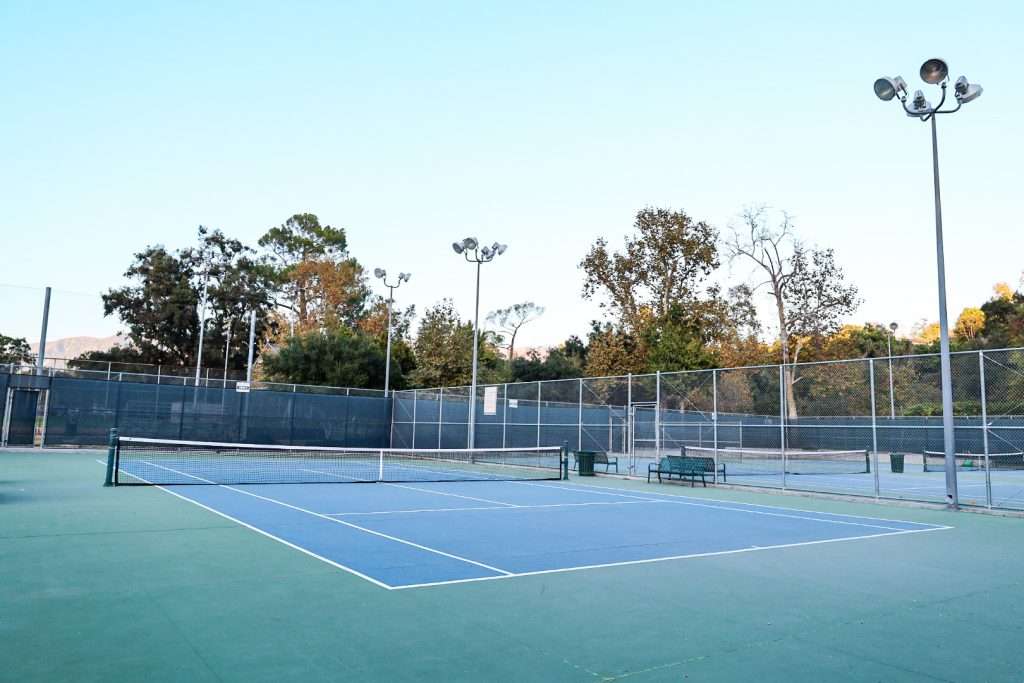
- Sports facilities, including baseball diamonds, soccer fields, and tennis courts
- A swimming pool (The Rose Bowl Aquatics Center, formerly called Brookside Plunge)
- Several walking and biking paths
KidSpace Children’s Museum: One of the noteworthy attractions adjacent to Brookside Park is the KidSpace Children’s Museum. It’s an interactive space designed for kids to learn and play.
Events: Due to its proximity to the Rose Bowl, Brookside Park is also a common location for community events, especially those related to the many activities and concerts held at the stadium.
Neighborhood: Near the Linda Vista neighborhood.
Historical Insights: A recreational staple in Pasadena for over a century. The history of Brookside Park is intertwined with that of the Rose Bowl. The land for the park, originally part of the Rancho San Pasqual, was purchased by the City of Pasadena in the early 20th century.
Brookside Park was once Pasadena’s dump site, often referred to as the “town dump.” The park’s development began alongside the development of the Rose Bowl Stadium.
Pasadena’s Victory Park
Features: Tennis courts, playground, baseball fields, picnic areas, and the Saturday Farmer’s Market.
Size: 17 acres.
Neighborhood: East Pasadena.
Recreation Center: Pasadena’s Victory Park Recreation Center has something for everyone. Kids can enjoy seasonal camps and after-school activities, while adults can join dance or piano lessons. Pasadena’s Victory Park Recreation Center also offers self-defense classes, a volleyball league, and fitness sessions for seniors.
Historical Insights: Named to honor World War I veterans.
Pasadena’s Eaton Canyon Natural Area

Features: A nature preserve with hiking trails, horse trails, a nature center, and a waterfall.
Size: Around 190 acres.
Neighborhood: Northern Pasadena, near Altadena.
Name Origin: Eaton Canyon was named after Judge Benjamin S. Eaton, an early settler in the Pasadena area. He lived in the Fair Oaks Ranch House in 1865 and was instrumental in bringing water from the canyon down to the growing Pasadena community.
Geological Significance: Eaton Canyon is known for its geology and is a hotspot for geologists and fossil collectors. The sedimentary rocks found here date back millions of years and tell a story of an ancient environment that once existed.
Ecological Aspects: Eaton Canyon is an ecologically diverse area, home to a wide variety of plant and animal species (coyotes, bears, owls, bats, foxes, bobcats, deer, squirrels, and hawks). This diversity is attributed to the canyon’s range of habitats, from streamside to chaparral ecosystems.
Recreational Use: Eaton Canyon is one of the best recreational destinations in Pasadena. Residents and visitors use the canyon to hike, ride horseback at the Eaton Canyon equestrian trails (with a staging area), and enjoy the waterfall located at the end of the Eaton Canyon Falls Trail. Be careful hiking after rain; some areas of Eaton Canyon become flooded and difficult to cross.
Eaton Canyon Nature Center: The Nature Center offers exhibits, events, and educational programs related to Pasadena’s ecology. It’s an important place for visitors to learn more about the natural history and ecology of Pasadena and the San Gabriel Valley.
Conservation Efforts: Over the years, there have been numerous efforts to conserve and protect Eaton Canyon, particularly as urbanization around the area increases. Both local authorities and community organizations have spearheaded efforts to protect Eaton Canyon.
Cultural History: Like much of Southern California, Eaton Canyon has ties to Native American history. Local tribes, such as the Tongva (also known as Gabrielino), utilized the area for its abundant resources long before European settlers arrived.
Pasadena’s Playhouse Village Park

Features: Recreation spaces, kids’ playground, Van Halen Stage, and dog runs.
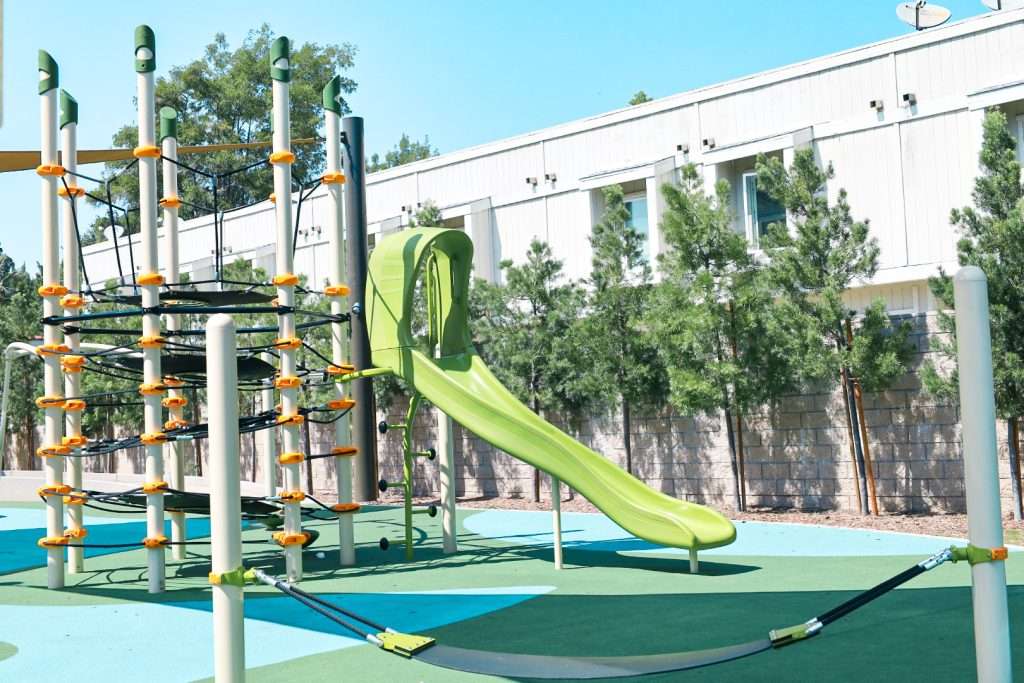
Size & Location: Playhouse Village Park is a small, newly built park in the Pasadena Playhouse District.
Historical Insights: The Van Halen Stage recognizes Van Halen’s early days in Pasadena.
Pasadena’s Grant Park
Features: A calm, small park with shaded seating areas, a playground, and manicured landscapes.
Size: Just over an acre.
Neighborhood: Near Caltech and the Pasadena Playhouse District.
Pasadena’s Tournament Park
Pasadena’s Tournament Park is a historic park located in Pasadena, California. It is currently maintained by the California Institute of Technology (Caltech). Tournament Park was originally known as the “town lot” but was renamed Tournament Park in 1900, taking its name from the Tournament of Roses.
Tournament Park was the site of the first eight Rose Bowl Games between 1902 and 1922.
Tournament Park served as a venue for various events associated with the Tournament of Roses in the early 20th century. These events included chariot races, ostrich races, and even a race between a camel and an elephant. Tournament Park hosted events like the Southern California Horse Show Association’s annual horse show.
Tournament Park had a seating capacity of 43,000. However, due to safety concerns related to temporary wooden bleachers, a decision was made to construct the Rose Bowl stadium nearby. 1923 the Rose Bowl Game was moved to the Rose Bowl Stadium.
Today, the original stadium site of Tournament Park is Caltech’s South Athletic Field, used for Caltech’s track and field events. A portion of the Tournament Park remains and has a playground and picnic facility.
Pasadena’s Hamilton Park
Location: 3680 Cartwright Street
Size: 6.4 Acres
Hamilton Park Recreational Amenities
- Softball Diamonds: Includes three well-maintained diamonds, two equipped with spectator seating for up to 400, ideal for hosting local leagues and tournaments.
- Sports Courts: Features two lighted tennis courts for evening play, a full-sized basketball court, and a professional-grade paved volleyball court.
- Multi-Purpose Field: A vast field adaptable for various sports, including flag football and soccer, catering to diverse athletic interests.
Hamilton Park Family and Accessibility Features
- Children’s Play Area: A safe, engaging area with various playground equipment catering to different age groups.
- Picnic Spots: Two scenic picnic areas, perfect for family outings or social gatherings, equipped with tables and benches.
- Accessibility: The park is designed with accessibility in mind, including wheelchair-accessible paths and facilities.
Pasadena Parks Near Huntington Hospital
If you’re visiting the Huntington Hospital with children or staying at the Ronald McDonald House in Pasadena, there are several parks nearby.
Pasadena’s Singer Park
Features: Lush greenery, seating areas, and a playground.
Size: About 2.9 acres.
Neighborhood: Southeast of Huntington Hospital and walking distance from Pasadena’s Ronald McDonald House.
Historical insights: Pasadena’s Singer Park is located on the former estate of Mrs. Emma R. Singer, widow of H.M. Singer of Chicago, Illinois.
Pasadena’s Lower Arroyo Seco Park

Features: Hiking trails, archery ranges, and pristine landscapes.
Size: Expansive green space.
Neighborhood: West of Huntington Hospital.
Historical Insights: Significant for its role in Pasadena’s transportation and early water systems.
Pasadena Bridges: The Lower Arroyo in Pasadena has three special bridges. The oldest one, the Colorado Street Bridge, was built in 1912. A short walk south, there’s the John Van de Kamp Bridge, which people used to call the La Loma Bridge. Lastly, you’ll find the San Rafael Bridge in the southernmost part.

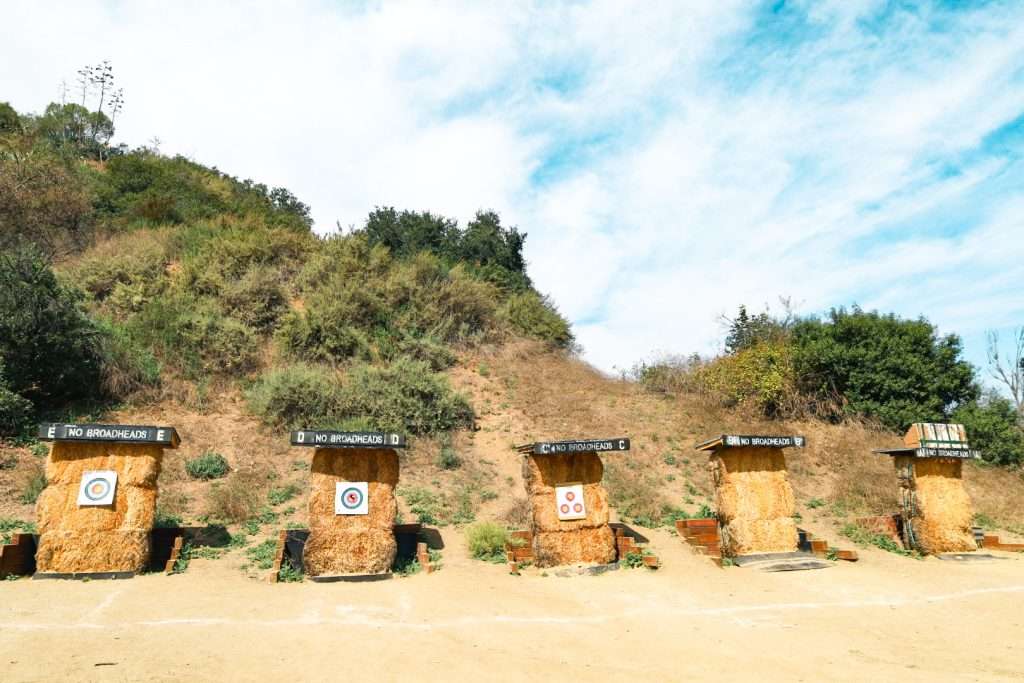
Lower Arroyo Seco Park has a long history of use for hiking, picnicking, birdwatching, fly casting, archery, horseback riding, and other outdoor activities. One of California’s few Casting Ponds, built in 1953 by the Pasadena Casting Club, is in Lower Arroyo Park. The home of the Pasadena Roving Archers is also in the Lower Arroyo Seco Park.
Pasadena’s Desiderio Neighborhood Park
Features: Playgrounds, fields, and housing built by Habitat for Humanity
Size: About 3.8 acres
Neighborhood: Southwest of Huntington Hospital, under the historic Colorado Street Bridge
Historical Insights: Before becoming a park, the land where Desiderio Neighborhood Park sits was used by the U.S. Army. It was called the Desiderio Army Reserve Center, named in honor of Captain Reginald B. Desiderio, a Medal of Honor recipient from the Korean War.

